A circus collection split between Montreal and France is linked for the first time
Panache! is the first exhibition to link the two halves of the Fonds Jacob-William, one in Montreal and one in France. Entry is free until 10 January 2027.
The Fonds Jacob-William, a private circus collection, lives in two places. Half is in Montreal, half in Châlons-en-Champagne, in France. Until 10 January 2027, an exhibition called Panache! links the two halves for the first time.
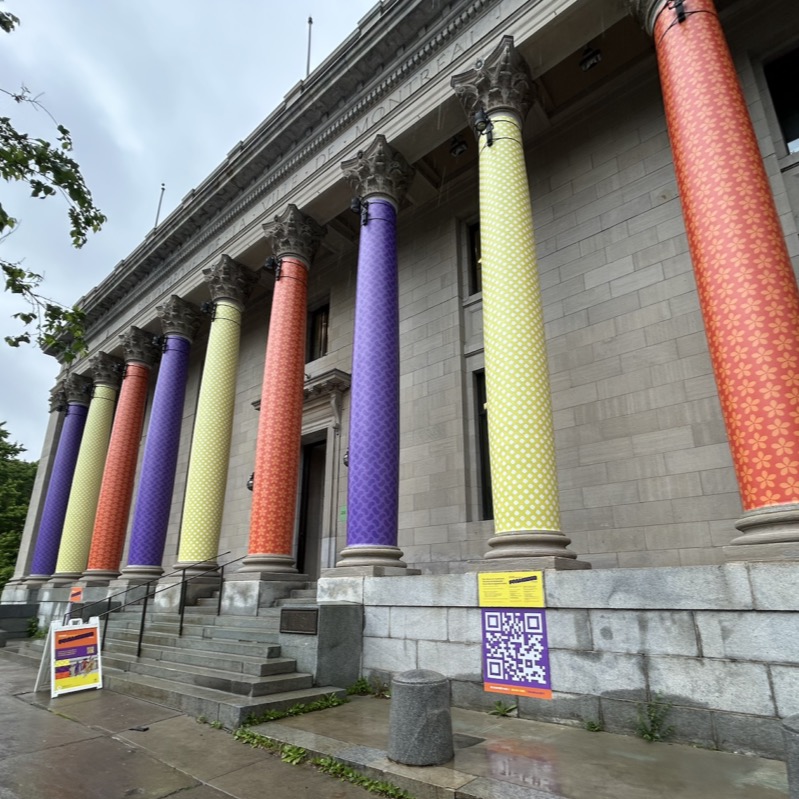
Entry is free and open to all, every day from 9am to 5pm, in TOHU's exhibition hall at 2345 rue Jarry Est, Montreal. It opened on 5 November.
TOHU is a place to present, create and experiment with circus, in Montreal's Cité des arts du cirque. It has held its half of the collection since August 2003, and ranks it among the most important private circus collections.
Pascal Jacob and Christian William, two French collectors, built it over 30 years. TOHU says their aim was to keep at least one of every kind of document from circus history. They wanted to root contemporary circus in what made it great over the centuries.
TOHU counts more than 5,000 objects: programmes, posters, prints, photos, drawings, paintings, toys and bronzes. Another 2,500 books, from the 16th century to today, sit at the documentation centre of Montreal's National Circus School.
Panache! first ran at the Musée des Beaux-Arts et d'Archéologie in Châlons in 2025 and 2026, partly with works usually kept in Montreal. Now those works are on show at TOHU. A France–Québec cooperation programme, the Commission permanente de coopération franco-québécoise, helped pay for the link between the two cities.
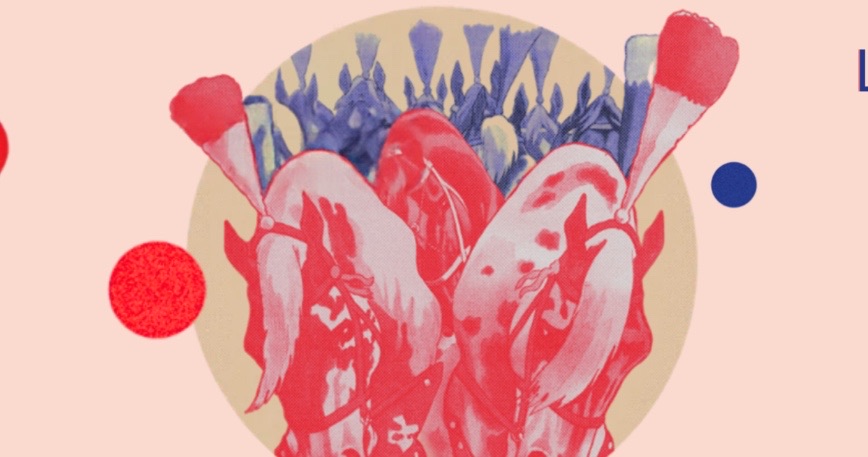
The exhibition is about the horse and military roots of circus. In TOHU's account, modern circus appears in the 18th century, in a society that prizes the army and puts the horse at its centre.
The horse gave the ring its round shape and inspired the first acts. It also brought a military look: discipline, precision, dress uniforms, steady music and set gestures.